Most business owners equate selling with a public listing and a parade of buyers. The reality on the ground is more nuanced. The best deals, especially for privately held companies, often begin and end off market. Confidentiality, targeted outreach, and disciplined negotiation create space for better terms and smoother transitions. At Liquid Sunset Business Brokers, we have seen owners net higher proceeds, buyers secure stronger fits, and both sides avoid the churn that comes with broadly marketed listings. Not every transaction belongs off market, but when the profile fits, the advantages are real and measurable.
What off market actually means
Off market does not mean secretive in a reckless sense. It means the business is not publicly advertised across marketplaces, social media, and email blasts. Instead, a broker curates a short list of qualified buyers, approaches them under NDA, and explores fit before financials go wide. This format keeps the seller’s name out of rumor mills, reduces customer and staff anxiety, and prevents competitive harm. For buyers, it reduces auction-like pressure and allows time to verify fundamentals without being pulled into a bidding frenzy.
Within our practice at Liquid Sunset Business Brokers, an off market process typically includes a phased release of information. We start with a blind teaser, share a two to four page confidential information brief after NDA, then proceed to a structured data room only for buyers who demonstrate capacity and intent. This cadence removes noise and surfaces genuine interest.
Why sellers choose a quiet path
Owners choose off market for three primary reasons. First, confidentiality. Manufacturing shops, healthcare practices, and multi-unit service businesses are particularly sensitive to disruption. A public listing can startle referral partners and spook key employees. Second, focus. A curated buyer list avoids fielding dozens of unqualified inquiries that drain time and leak details. Third, leverage. With fewer tire kickers, serious buyers engage earlier and often propose cleaner terms.
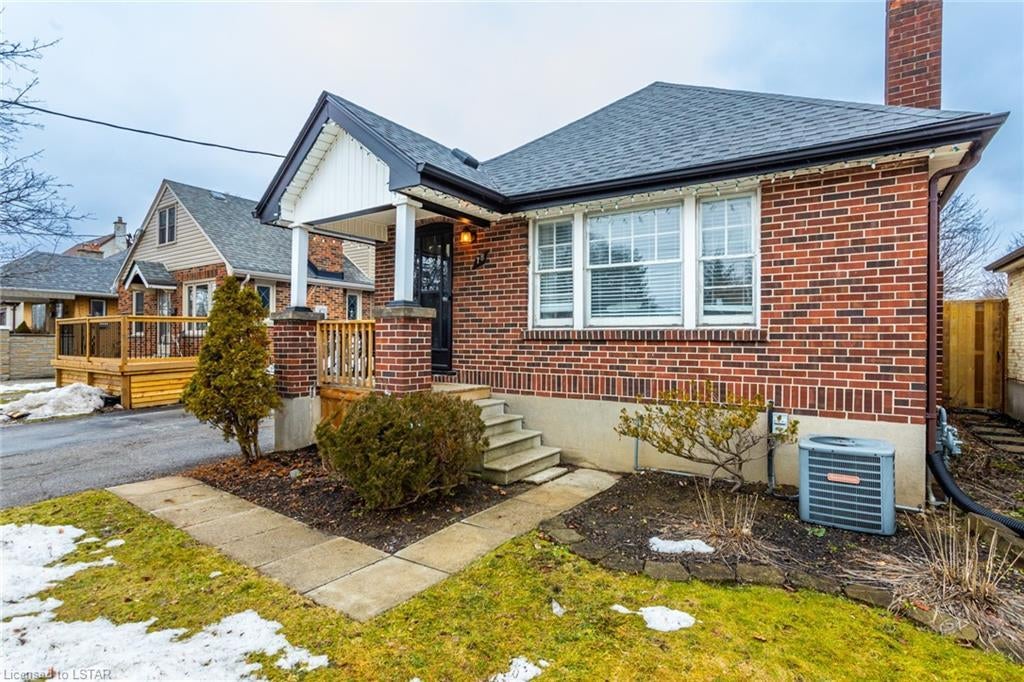
Think about a London, Ontario distributor with 14 employees and a book of institutional clients. If the market discovers the owner might sell, purchase orders can shift to competitors within weeks. By staying off market, we can approach two or three buyers with overlapping supply chains, negotiate around continuity assurances, and secure a transition plan that keeps trucks rolling and staff secure. The enterprise value rises when risk falls, and quiet processes do exactly that.
When public marketing still wins
There are cases where a broad listing makes sense. If a company is easily relocatable, has generic processes, and relies on walk-in traffic rather than contract relationships, the risk from publicity is lower. Some restaurants, boutique e-commerce brands, and solo professional practices benefit from maximum exposure to drive price. The art lies in matching the go-to-market strategy to the business model. At Liquid Sunset Business Brokers, we sometimes start off market for 60 to 90 days, then pivot public if we do not meet our target. That two-step approach preserves confidentiality early while maintaining optionality.
How off market affects valuation
Price is not the only measure of a successful sale. Deal structure, working capital targets, earnouts, vendor take-back notes, and post-close employment can swing the real value by 10 to 30 percent. Off market processes often produce better structure because the discussion moves quickly into operational details. Does the buyer need the seller for nine months or two? Can landlord consent be obtained within 45 days? Is the inventory obsolescence reserve sufficient? These specifics shape risk allocation.
In our experience, an off market buyer who is strategically motivated will accept market-multiple pricing and pay for certainty. For example, a specialized maintenance business earning 600,000 dollars in normalized EBITDA may achieve a 4.5x multiple in a public auction. The same company could secure 5.0x from a strategic buyer off market if the seller agrees to a capped earnout tied to customer retention and a limited post-close role. The buyer pays more headline value because execution risk is lower and integration synergy is higher.
The London and London, Ontario angle
Buyers looking to acquire in London, whether London in the UK or London, Ontario in Canada, quickly discover that the best opportunities rarely hit public portals. Owners prefer to keep their names out of search results, particularly in tight-knit communities. As a result, it pays to build relationships with a local intermediary who knows lender appetite, landlord preferences, and regional licensing quirks.
For those exploring a small business for sale London or scanning companies for sale London, access to off market flow is the differentiator. Liquid Sunset Business Brokers spends substantial time generating proprietary deal flow, meeting owners months or even years before they are ready to exit. When discretion matters, those owners often invite select buyers into conversations long before a teaser ever appears online. The same principle holds for a business for sale in London, Ontario. If you want to buy a business in London, Ontario, start the dialogue early so you are on the short list when a quiet opportunity appears.
What buyers gain from off market deals
Buyers often assume off market means paying a premium. Sometimes that is true, but the full picture is more favorable. With fewer bidders, buyers get deeper operational access during diligence and more time to craft an integration plan. That means fewer surprises post close. Off market also reduces the risk of cultural misfit because conversations start with long-form meetings, shop floor walks, and live demos rather than rushed virtual showings.
A recurring example: a specialty fabrication shop in Middlesex County with seven-figure revenue and sticky customers. Put on a public site, it draws dozens of casual inquiries from industry outsiders. Off market, it draws three operators who already own complementary shops. Those buyers can value the business based on throughput and setup times rather than headline EBITDA, which often results in better alignment on price and a faster LOI.
Quiet does not mean loose
A disciplined off market process is structured. It replaces public marketing with private governance. We define the buyer profile, qualify funding capacity, and set a timeline. We manage NDAs, Q&A logs, site visits, and draft LOIs with clear conditions. If a buyer goes quiet for more than a week during diligence without explanation, we move on. Sellers deserve momentum, and momentum is the currency of any deal. When you manage the cadence tightly, off market can close 20 to 30 percent faster than public processes because the parties are serious from day one.
The role of data in a private process
The best-kept secret in off market work is tidy financials. If the books are sloppy, confidentiality will not save the deal. We ask sellers to invest in sell-side readiness: accrual-basis statements, a 12 to 24 month trailing P&L, a current balance sheet, tax returns, AR aging, AP detail, inventory valuation policy, customer concentration analysis, and an add-back schedule for normalized EBITDA. On the operating side, we collect employee rosters, equipment lists, lease terms, and a simple org chart. These materials live in a secure data room and release in stages.
For buyers, this prepares a clear underwriting path. Banks in both London and London, Ontario will look for a debt service coverage ratio in the 1.2x to 1.4x range, depending on sector and collateral. If the seller has documented stable margins, working capital management, and low concentration risk, lenders say yes faster. Off market does not mean less diligence, it means cleaner diligence.
Why confidentiality protects value
A public listing can unravel a business in subtle ways. An employee hears a rumor, updates a LinkedIn profile, and a competitor notices. A supplier tightens payment terms. A key client delays a renewal to see who the new owner will be. Each of these frictions costs money. Off market reduces the window of vulnerability. We typically wait to inform the broader team until there is a signed LOI and a concrete transition plan. Even then, we tailor communications by role. The shop foreman gets a different briefing than the office manager. That level of nuance is only possible when the circle is small.
How Liquid Sunset Business Brokers curates buyer lists
An off market outreach is only as strong as the list. We segment buyers into three bands. First, strategic buyers in the same or adjacent industry who can attach the company to existing operations. Second, financial buyers with hands-on operating partners who can step in on day one. Third, high-net-worth operators looking to leave corporate roles. We score prospects on funding readiness, cultural fit, and regional presence. For a business in London, Ontario, we lean toward buyers who already operate nearby to limit relocation risk and preserve staff retention. For a business for sale in London in the UK, we consider regulatory exposure and landlord consent norms in that borough or surrounding counties.
The human side of off market negotiations
Price talks feel different when the parties meet early and often. Meetings in the owner’s office, plant walk-throughs, and coffee with managers provide texture that numbers cannot. Sellers can see how a buyer treats employees, asks about safety, and approaches customers. Buyers can sense whether the owner will hand over the keys gracefully or struggle to let go. Those impressions shape deal terms. We once shifted a proposed six-month transition to three months plus paid consulting days after watching the seller’s operations lead run a full day without input. The buyer saved payroll, and the seller exited sooner. You only see details like that in a patient, private process.
London, Ontario specifics buyers and sellers should know
In London, Ontario, financing often runs through a mix of chartered banks and BDC for term debt, with amortizations from 5 to 10 years depending on collateral. Landlords in industrial parks expect to vet buyer covenants and sometimes require a personal guarantee for the remainder of the lease term. Local talent markets are tight for licensed trades, which makes retention bonuses and training commitments valuable currency during negotiations. If you plan to buy a business London, Ontario or you are weighing whether restaurant for sale in london ontario to sell a business London, Ontario, keep these practical constraints in mind. They influence not only the price but the likelihood of a deal closing on time.
For those looking at businesses for sale London, Ontario through a public lens only, understand that many owners instruct us to approach buyers privately first. We maintain active relationships with operators who are buying a business London or buying a business in London through steady, low-key dialogue about capacity, capital, and strategy. Those relationships open doors.
London in the UK has its own rhythm
Lease transfers in London, especially in hospitality, retail, and healthcare-adjacent services, can add weeks due to landlord consent and compliance. Business rates, licensing, and TUPE considerations require early legal input. An off market route allows room for pre-LOI landlord conversations and counsel-to-counsel calls under NDA so that surprises are minimized. If your search criteria reads small business for sale London or business for sale in London, consider that many well-run owner-managed operations change hands without ever appearing publicly. The owners value continuity of staff and client relationships over a marginally higher price, and they want a buyer who understands their borough, their suppliers, and their schedule. Quiet processes honor those preferences.
Off market pitfalls and how to avoid them
Silence can cut both ways. If a process is too narrow, the seller may miss a better buyer. If the list is too broad, confidentiality erodes. The remedy is calibration. Start with a tight list, gather feedback, then adjust. Another pitfall is overreliance on handshake trust. Even in amicable negotiations, document everything. Use an LOI with clear exclusivity, diligence timelines, and financing conditions. Keep a running Q&A log in the data room. Finally, avoid analysis paralysis. When both sides feel like they have enough information to make a decision, set a decision deadline. Dragging for drag’s sake burns goodwill.
A realistic timeline from our side of the table
For a typical off market engagement, we spend two to four weeks on sell-side preparation, including a financial scrub and a short-form memo. Outreach to the first wave of buyers takes one to two weeks. NDAs, initial calls, and high-level Q&A consume another two weeks. Site visits and LOI drafting add two to three weeks. Diligence runs 30 to 60 days depending on lender requirements and any regulatory or landlord consents. That means a high-quality off market transaction can close in three to five months. Public listings in the same categories often run five to nine months because of volume and noise.
Case sketch without names
A specialized service firm in London, Ontario, with 3.1 million dollars in revenue and 720,000 dollars in normalized EBITDA, carried two key customers at a combined 38 percent of sales. The owner wanted confidentiality due to customer visibility. We approached four buyers. Three signed NDAs. Two toured. One strategic submitted an LOI at 4.9x EBITDA, including a 10 percent contingent payment tied to 12-month customer retention. The bank cleared debt with a 15 percent vendor take-back and a 10-year amortization supported by equipment collateral. Closing took 93 days. No staff departures. Both major customers renewed within four months. Would a public auction have produced a higher multiple? Possibly by a fraction. But the risk-adjusted outcome and the speed were superior under the circumstances.
When you should avoid off market
If you are selling a highly generalist business with modest differentiation and you have no urgent confidentiality concerns, a broad auction may create price tension. The same goes for assets attractive to first-time buyers with SBA-like financing options in the United States, where exposure stirs competition. In the UK and Canada, public visibility helps for businesses under roughly 300,000 dollars or pounds of SDE when the buyer pool is primarily owner-operators. Even then, a hybrid approach can work: test off market quickly, then go wide if qualified interest does not appear.
How to prepare for an off market approach
Sellers sometimes assume that off market equals lower preparation. The opposite is true. A well-prepared seller selects the buyer, not the other way around. Clean books, operational SOPs, updated equipment maintenance logs, and a believable forecast for the next 12 months matter a great deal. If your growth story depends on a new sales rep or a recent contract, put it in writing and show a ramp. If you have cash components in staff comp, normalize them in payroll records. Buyers pay for clarity.
Buyers should prepare as well. Get prequalified with lenders, know your maximum equity check and acceptable leverage, and have a working integration plan. If you are serious about a business for sale in London, Ontario or any business broker London, Ontario opportunities off market, proof of funds and references help speed trust. In London, UK, if a lease transfer or license is involved, engage counsel early. Prepared buyers hear about better deals.
The Liquid Sunset Business Brokers approach
We are often described as sunset business brokers by clients who meet us in late afternoons in their shops and offices after the day’s work. The name stuck because it captures how off market work feels, human and unhurried, focused on continuity. Our team takes on a limited number of mandates so we can spend time where it counts, with owners and buyers, not pushing paper in bulk. Whether the ask is a small business for sale London Ontario search, a business for sale London, Ontario listing held quietly, or a discreet mandate in London in the UK, we tailor the process.
We also watch phrasing closely in online content because searchers use long strings. You might search Liquid Sunset Business Brokers - off market business for sale to find private opportunities, or Liquid Sunset Business Brokers - business brokers London Ontario to identify intermediaries. These queries help, but they rarely reveal the full inventory because much of it never hits public pages. The best path is a direct conversation.
A short checklist for deciding if off market fits
- Your staff or customers would react negatively to public sale rumors, and continuity is central to value. A clear, limited universe of logical buyers exists, including strategics and hands-on operators. Your financials are tidy enough to withstand bank-level diligence without months of cleanup. The lease, licensing, or key contracts would suffer from early public disclosure. You value speed, structure, and cultural fit at least as much as peak headline price.
Practical next steps for buyers
- Define your target size, sector, and geography, including whether you plan to buy a business in London or buy a business in London Ontario. Line up financing conversations early so you can prove capacity when an off market call comes. Build credibility with brokers. Take calls, honor NDAs, and provide timely feedback. Be ready to move from teaser to LOI within 30 to 45 days if the fit is strong. Plan integration before closing, including staffing, systems, and supplier communication.
Final thoughts from the deal floor
Off market is not a magic trick. It is a disciplined way to remove distractions and focus on fit, structure, and certainty. It rewards preparedness and clear communication. In cities with dense competition like London and in communities defined by relationships like London, Ontario, the low profile preserves value and reduces execution risk. If you are exploring companies for sale London or businesses for sale London Ontario and you only watch public listings, you are seeing the tip of the market. Sit down with a broker who can open private doors.
Liquid Sunset Business Brokers exists in that in-between space where conversations are candid, numbers are grounded, and trust is earned. Whether you want to sell a business London Ontario with minimal disruption or you are serious about buying a business London with an emphasis on continuity, a private path can be the difference between a deal that merely closes and a transition that actually works.
Liquid Sunset Business Brokers
478 Central Ave Unit 1,
London, ON N6B 2G1, Canada
+12262890444
Liquid Sunset Business Brokers
478 Central Ave Unit 1,
London, ON N6B 2G1, Canada
+12262890444